
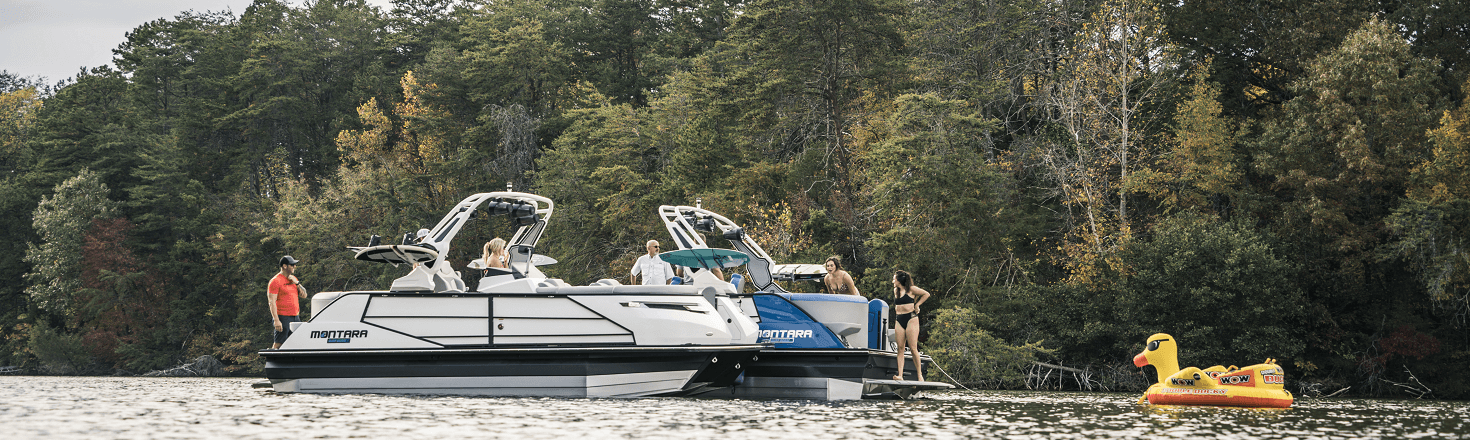
Boat Ranch Service Department
When you're invested in making sure your watercraft stays in great working order for years to come, you need knowledge and skill you can count on. Our highly trained technicians are dedicated to maintaining and servicing your watercraft so you can get the most out of your purchase. Here at Boat Ranch we are boating enthusiasts, and we understand that your priority is getting out on the water making memories.
Facility and Staff:
We have a state of the art facility conveniently located in West Jordan off of Mountain View and 90th south. Our experienced, trained and certified technicians can take care of all your boat service and maintenance needs. Bottom line, we have the equipment and experience to get your boat and trailer in prime shape, whether your goal is fishing, cruising, or tow sports. Give us a call and we'll get you in and out of the shop in an efficient and timely manner, so you can get back to the water activities that you enjoy.
Too busy to bring your boat in? No problem! We offer curb to curb service where we can come pick your boat up from your house, bring it into our shop to do whatever maintenance or service you need, and then bring it back to you!
Owning a boat requires care and attention to detail, and boat maintenance is just one small part of that. Whether you only use your boat at our local lakes, or haul it to Lake Powell or Flaming Gorge, the last thing you want is a problem on the water or even worse the launch ramp! With that, our team at Boat Ranch wants to share our tips and tricks about boat maintenance with you. From technical repairs to basic maintenance, we'll help you keep your boat in tip top shape for years to come!
Routine Maintenance
- How often should I change my impeller?
- How Often to Change Your Spark Plugs
- How Often To Change Your Oil
- What Happens If You Don't Change Your Oil?
- What about the Boat Trailer?
- Why Is My Boat Battery Leaking Acid?
- When to Replace a Serpentine Belt
How Often to Rotate Your Tires
Some owners manuals recommend more often but generally every 2-3 seasons, every 100 hours, or when you see signs of wear. When your boat is idling if the temperature goes up, then goes back down when you are back underway, this can be a sign of impeller wear or damage.
How Often to Change Your Spark Plugs
Most experts would generally recommend having them replaced every 200 hours, but it will vary based on the type of boating you're doing. Surf boats run most of their hours under heavy engine load while a fishing boat trolling would run at much lower RPM's per hour used. Refer to your vessels's owner's manual for specific information. Learn more about when to replace these spark plugs from the service experts at Boat Ranch.
When Do I Change Spark Plugs?
The spark plugs are one of your ignition components, and they work by moving the high voltage current from the ignition coil to ignite the combustion chamber once the vehicle has started. When they are not functioning correctly, you'll notice issues in your vessel's performance, as well as issues like:
- Engine misfire
- Engine is running rough
- High fuel consumption
- Poor acceleration
- Rough idling
- Slow or no start
Why Change Your Spark Plugs?
Not only will you avoid any of the issues that we mentioned above, but there are also plenty of benefits that come from regularly changing your spark plugs.
- Improved fuel economy - Worn out spark plugs can reduce your fuel economy by as much as 30%, and replacing it helps gain that back.
- Consistent combustion system - Spark plugs allow for the continuous production of combustion, allowing your vessel's system to run as it should.
- Your Vehicle Starts Smoothly - Replace your spark plug, and you will feel your vessel effortlessly start when you turn the key in the ignition.
- Less harmful emissions - Replacing your vessel's spark plugs not only helps increase your gas mileage, but it also improves your emissions.
Get More Service Tips at Boat Ranch!
If you notice any of the issues mentioned, and you want to have your spark plugs inspected, feel free to reach out to us. Our team is standing by to answer your questions and ensure your vessel continues performing at its best. We can even help you with DIY tips how to remove your boats battery, when to replace a serpentine belt, and other service tips.
How Often To Change Your Oil
If you're wondering how often you should change your oil, you've come to the right place. Most manufacturers and boat experts recommend having an oil change frequency anywhere between 50-100 hours or once per season.. However, we recommend checking your owner's manual for specifics as this can vary based on the type of boating and style of boat. Rely on Boat Ranch for other service tips and tricks and continue reading to learn more about your oil change frequency and recommendations.
Key Takeaways On How Often You Should Change Your Oil
While the oil change frequency can vary depending on your vessel and its intended use in Utah, here are some things to remember:
- Reference your owner's manual for specifics on oil change frequency and whether or not you should use synthetic or conventional oil.
- Even if you don't use your vessel often, you still might need to change your oil as oil can break down over time and moisture can make its way into the oil.
- On top of changing your oil, don't forget to change your oil filter as well.
- Remember to check your oil level at least once a month, things like changes in oil color and texture can also be a sign of serious problems.
Visit Boat Ranch Today!
Now that you know how often you should change your oil, feel free to visit us near West Jordan today and browse our wide selection of inventory. Our finance experts are more than happy to provide you with boat buying tips and answer any questions you may have. Please don't hesitate to reach out to us to join the Boat Ranch family.
What Happens If You Don't Change Your Oil?
Most boaters already know engine oil is one of their vessel's most important fluids. That's true whether you're driving a brand-new pontoon boat or a pre-owned surf boat, but what happens if you don't change your oil?
Well, you'll be looking at anything from the inconvenience of a breakdown while on the water to serious engine damage. If we've piqued your curiosity, go ahead and read on for answers to the following common questions:
- What Does Engine Oil Do?
- How Often Should I Change My vessel's Oil?
- How Can You Change the Oil Yourself?
What Does Engine Oil Do?
Engine oil is often rightly described as the lifeblood of your vessel. Just a few key responsibilities include:
- Providing proper lubrication to prevent metal-on-metal contact and avoid overheating.
- Absorbing heat away from engine components to avoid overheating.
- Picking up dirt and small pieces of debris to ensure blockages and clogs cannot form.
If your vessel doesn't have a healthy supply of clean oil, the pistons can actually end up welding themselves to the cylinders since the heat will have nowhere to go.
How Often Should I Change My vessel's Oil?
The old rule of thumb that oil should be changed every 50 hours is now slightly outdated. Most modern vessels should be fine every 100 hours before needing an oil change. You can find the exact recommended figure by checking your owner's manual.
Signs your oil needs to be changed include:
- Check Engine Light On
- Oily Smell in Your vessel
- Decreasing Fuel Efficiency
- Sounds of Rumbling or Knocking from the Engine
- Visible Exhaust Fumes
How Can You Change the Oil Yourself?
You'll need to start by purchasing the right type of oil for your vessel. Once you have it, you'll need an extraction pump to extract the oil out.
Once the old oil is gone, secure the drain hose cap, then start adding more from the top. Go slowly, checking oil levels regularly to prevent putting in too much or too little. You can also visit your local West Jordan boat shop for an oil change, but this is one piece of routine maintenance that's easy enough to handle yourself.
Changing Your Oil as Recommended is Vital for Reliable Performance
What happens if you don't get your oil changed is never going to be good for your vessel, so make sure you don't go longer than what the manufacturer recommends. For any further servicing tips and tricks, feel free to contact us today.
Boat Trailer Maintenance
Trailer brakes, wheels, tires, lights, retrailerpeting bunk boards, axle repacks and grease…..we can take trailere of any trailer repairs or maintenance needs.
Grease vs Repack
General rule of thumb, Grease zerks should be refreshed once per season in the spring before first launch. A repack should be done every 2-3 seasons depending on how many miles you're putting on your trailer. A heavily used utility trailer should be done annually or every 12,000 miles. While you may not pur 12,000 miles on your boat trailer, pulling it in and out of the water can wash out grease much faster than a typical trailer. The result of losing grease and metal bearings spinning against metal without lubrication can be a catastrophic breakdown (or cause of an accident) on the highway.
Other Trailer Maintenance
While each trailer is slightly different, these trailer maintenance basics will go a long way toward keeping your trailer in the best shape possible. Be sure to visit a service shop with experienced mechanics, and you'll be rewarded with a trailer that really goes the extra mile hauling that beautiful boat!
- Brake pads & rotors: These should be inspected every time you do a grease or repack. Properly functioning braking systems are crutial to successful to and from lakes.
- Master cylinders, Reservoirs, Brake lines: Sometimes the brake fluid needs to be changed and flushed. Brake lines can get old and crack causing leaks and loss of brake pressure. Proper maintenance and safety checks are super important.
- Trailer lights: Lets face it, boats going in and out of the water at launch ramps tend to struggle with long life working lights. If you have a short or lights aren't working properly, we can help. Avoid a ticket or worse an acccident - keep those lights working properly.
- Trailer Bunks: Over time the wood bunk boats will rot and need replacement. We use pressure treated lumber and stainless steel screws when repllacing trailer bunks and carpet. There are lots of online tutorials if you want to take this type of project on yourself and DIY. We are happy to help guide you through the process. Or, we can always take care of replacing trailer bunks for you!
Find Out More with Boat Ranch
Whether you need some pointers on trailer maintenance the team at West Jordan can assist you with all of your trailer needs. Contact us today or visit our dealership in West Jordan for more information, and we'd be happy to help.
Why Is My boat Battery Leaking Acid?
Your boat battery is one of the most important parts of your vessel, and should be maintained properly. In some instances, batteries will begin to leak and have other issues, and it should be immediately repaired. Check out the checklist by the experts at Boat Ranch that tell you exactly what to look for and how to go about dealing with a leaking boat battery. If you are in the market for a used boat, visit our finance department to get the best price possible!
What Causes a Leak?
A boat battery leaking can be caused by a number of factors, including if it is older and hasn't been replaced, or even just from everyday use. Here are a few things to look out for that could be a sign of a leak:
- Battery is cracked
- Incorrectly sealed cell caps
- Warped battery
- Battery is damaged
It is important to note that if any of these signs apply to your battery leak, boat boaters should not touch it, as it will likely be extremely hot!
How To Get Rid of a Bad Battery?
Before trying to get rid of a bad battery, it is important not to make contact with it, as the battery acid could be dangerous. We recommend getting in touch with the company who installed your battery the last time it was replaced, and they will dispose of the battery for you safely. If for some reason they won't remove the battery, contact a reputable recycling company.
Have All Your boat Questions Answered at Boat Ranch
Now that you know the answer to why is my boat battery leaking?, if you have any other questions, check out our service tips page! If you have a battery leak, boat boaters can always depend on us to provide essential tips to help fix the problem. Check out our new and used vessel inventory to find your next boat. If you have any other questions, feel free to contact us today!
When to Replace a Serpentine Belt
Have you ever wondered, "how long does a serpentine belt last" or when to replace a serpentine belt? A serpentine belt, which is also called a drive belt, is constructed from a tough rubber material that can last upwards of 5-10 years without replacement. The main cause of these belts needing replacement is the heat and friction that breaks down the rubber over time. If your serpentine belt needs replacing, check out our service and parts tips and tricks. If you are in the West Jordan area and have any questions about how long does a serpentine belt lasts, feel free to contact us anytime!
Functions of a Serpentine Belt
A serpentine belt is the main drive belt that connects the engine to the alternator, water pump, and power steering pump. To ensure these components are working properly, the serpentine belt needs to be in top condition.
When to Replace a Serpentine Belt
So, do you know when to replace a serpentine belt? Due to regular wear and tear, the serpentine belt will begin to crack, peel, fray, or slip. Here are some things to look out for that could mean it's time for replacement:
- Squealing Noises: If you begin hearing squealing noises, this could mean that the belt has low tension or is stretching. However, it could also mean that the pulley and belt aren't connected properly.
- Wear and Tear: By looking at the belt, you will find various signs of wear and tear, such as uneven wear or cracks throughout the belt.
- Systems Failure: If a few of the dependent systems fail, such as the water pump or power steering, you should immediately replace the serpentine belt.
- Complete Breakdown: If the entire belt fails, your vessel could break down on the water. Always good practice to ensure the belt is in top condition, and functioning properly.
What Exactly is a Belt Tensioner?
A belt-tensioner is present on drive belts on most modern vessels. It uses an intuitive spring and pulley system that keeps the belt at a certain tension, which can prevent the belt from breaking or any other damage. These belt tensioners are designed to ensure the belt stays in one place, as a loose belt could lead to issues with the dependent systems, such as the power steering. To ensure your vessel continues to operate effectively, you should replace the belt tensioner when the belt itself is replaced.
Learn More About Service Tips and Tricks at Boat Ranch!
Now that you know when to replace a serpentine belt and how long does a serpentine belt last, feel free to visit us at Boat Ranch in West Jordan and talk to our experts about the best service tips and tricks, like why does my engine shake while operating. It is critical that the serpentine belt in your vessel is functioning properly, and won't lead to mechanical issues.
Miscellaneous FAQ’s
- How to Remove a Truck Battery
- How to Remove Stickers From a Car
- Diagnostic Bad Suspension
- When to Use Low Gear
- Best Undercoating for Trucks
- Wheel Offset Explained
- How to Install a Truck Bed Cover
- What Causes Tires to Wear Unevenly?
- Why Does My Truck Shake When I Brake?
- How to Connect to Ford SYNC®
- What Do Tire Numbers Mean?
- How to Tell if My Truck is Flex Fuel?
- What Does TPMS Mean?
- How to Jump-Start a Car
- Hand Car Wash vs. Touchless Car Wash
- Synthetic Oil vs. Regular Oil: What’s the Difference?
How to Remove a Truck Battery
Your used truck's battery starts the vehicle, keeps it running, and helps power the electrical components. However, you may need to remove the battery and replace it when the charge runs down or if you need to inspect it for any signs of damage. Good news - this is a fairly simple service task that you can do by yourself near Logan. However, there are things to do to avoid hurting yourself. Learn how often to replace a truck battery and how long batteries last in our guide below.
Truck Battery Removal: The Preparation
Many drivers may not realize that your truck's battery holds enough charge to deliver a deadly shock, and because of that, it's essential that you're wearing insulated work gloves when removing the battery. It's best to also wear safety goggles to protect your eyes from corrosive agents. First, turn off your truck since running vehicles can produce a spark and ignite flammable materials.
You should also:
- Have zip ties or another type of restraint handy to keep the battery cables in their proper place. If they touch, it creates sparks and becomes a fire hazard, so remember to keep them from touching.
- Cover the positive cable end with a cloth once it is removed to avoid the risk of metal-to-metal contact.
- Take off any jewelry to prevent getting a shock if they come in contact with the battery.
- Ensure you're in a well-ventilated area to prevent exposure to harmful gases.
If the terminal is fused, you'll need to use the special battery cable removal tool to loosen it. This tool is available at our the Boat Ranch parts department near Hillsboro.
Truck Battery Removal: The Removal
Once you have everything, follow the steps below to safely remove your truck battery:
- Identify the positive and negative terminals. Positive terminals will have a "+" or color-coded red. Negative terminals will have a "-" or color-coded black.
- Loosen the bolt holding the negative terminal.
- Remove the negative cable first.
- Follow the second and third steps to remove the positive terminals.
- Lift the battery and remove it from the truck.
- Inspect the battery terminal clamps, and clean or replace them if it's necessary.
How Many Volts Does a Truck Battery Have?
If you're interested in testing your car battery, you're probably wondering how many volts it has. A fully charged truck battery should measure at 12.6 volts or higher. If your battery measures 12.4 to 12.8 volts, it's in good health.
It's always good to test your battery and electrical system a couple of times a year when you bring your vehicle to your Logan-area service center for its routine maintenance. However, you can test your battery right at home by following these steps:
- Start your car and turn on your headlights.
- If the lights are dim, they may be running on your battery.
- If the lights get brighter when revving the engine, the alternator may be producing some current but not enough when idle to keep the battery charged.
- If the level of brightness is normal, even with the engine revved, your battery is healthy.
Learn More Service Tips With Boat Ranch
At Boat Ranch, we're proud to offer specialized service tips to ensure your pickup truck keeps performing at its best, so it's safe for the American Fork roads. Learn more service tips like how long truck brakes last, how to change your spark plugs and how often to rotate your tires with our team today! You can also learn about the best undercoating for trucks!
How to Remove Stickers From a Car
There are multiple reasons that you should know about how to remove stickers from your car. Whether you've given up old hobbies or are cleaning your vehicle to sell it, we can help you learn how to get stickers off your car. Learn how to remove sticker residue from your car in this handy guide from Boat Ranch, your trusted Logan-area used truck dealership.
How to Get Stickers off a Car Body
Removing stickers off the body of your vehicle without damaging the paint is simple when you use these products:
- A bit of car washing soap
- Hairdryer
- Plastic card (library card, membership card, etc.)
- Tree sap remover or Goo Gone Automotive
- Clean, dry towels
Have everything that you need? Follow the steps below to remove any stickers from your vehicle:
- Using the car wash soap, clean the entire sticker and surrounding area.
- With the hairdryer on hot/high, hold it about two to three inches away from the sticker for a few seconds, making sure the heat hits the entire area working from the inside out.
- With the sticker heated, take your plastic card and gently push it under the sticker's edge. The adhesive residue should start to lift, allowing you to slowly peel the rest off. Keep in mind that this step may be necessary to repeat the heating and peeling process, and your sticker might come off in bits rather than in one go.
- You may have a layer of residue left on your car after the sticker is gone, which then has drivers wondering how to remove sticker residue from a car. It's an easy fix! Just take your clean, dry cloth and some tree sap remover or Goo Gone Automotive and gently wipe it until the residue is gone.
How to Get Stickers off a Car Window
Removing stickers from a car window is a different process. You can just use a razor blade, but be mindful of your safety and never use it on the inside of tinted windows. The products you need include:
- A razor blade
- Clean, dry towels
- Rubbing alcohol
- Dish soap and hot water
With the necessary equipment, follow the steps below:
- Use the razor blade to peel up a bit of the sticker, then remove it as cleanly as you can by hand.
- Using the dish soap and hot water mixture with your clean towel, rub the sticker residue until it begins to remove. If this doesn't work, continue with the next steps.
- If the soap and hot water did not get all of the sticker's residue off, you can take your razor blade and carefully scrape at the residue until it lifts.
- If you've got some particularly stubborn sticker residue and the above steps couldn't complete the job, rubbing alcohol often does the trick. Just soak a paper towel in the rubbing alcohol and scrub away, using the razor blade intermittently. A clean towel soaked in water will be sufficient to clean the area when you're finished.
Get Additional Car Care Tips with Boat Ranch Near Hillsboro!
At Boat Ranch, we're proud to offer handy service tips like how often to rotate your tires and how to change your truck's battery. Feel free to give us a call if you have any questions about our used truck inventory!
How Can You Tell if Your Truck's Suspension is Bad?
Logan drivers who know that their suspension system is important to come to us with this question a lot! Sometimes they're experiencing something wonky, or they've been on an off-road trail outside of Hillsboro. Sometimes they're just curious. Boat Ranch covers how to tell if your truck's suspension is bad and some useful tests to determine what to do below.
Bad Suspension Symptoms when Driving
How can you tell if your truck's suspension is bad when you're on the road? The first alarm that sounds for most drivers is the ways that the truck behaves when you're on the highway. The suspension system of your truck is made up of many different parts, but they all generally work toward keeping your ride smooth, even on bumpy roads. If you're starting to feel the bumps on the road, this is a sign you may need to get your suspension replaced. Another sign is your car leaning one way or the other, but this could be the symptom of another issue.
Sometimes, suspension problems need serious and costly repairs. You may also want to look at trucks priced under 20k with good suspension!
Bad Suspension Tests
Having a bumpy ride may not assure you that your truck has suspension problems. You may also want to conduct a few simple tests to see if your suspension needs work. Here are things you can do in your American Fork driveway or garage:
- Bounced Check: When your truck is parked, put all your weight on the front of it. After you jump off, your truck will bounce a little. If you notice it bounce more than three times, you have a suspension issue to fix.
- Visual Check: You can also do a quick visual check. Look to see if there's any corner of your vehicle that's leaning down more than the others. This could indicate worn-down struts.
- Trunk Squeak Check: Push on your trunk/the rear of your vehicle and listen for a squeaking sound.
Get Trucking Tips from Boat Ranch
At Boat Ranch, we don't just want you to get a great used truck. We want Logan truck drivers to have the tools to care for their vehicles. So we've got parts tips and service tips you can use to better understand your vehicle and answer questions like, "How can you tell if your truck's suspension is bad?" And we of course encourage you to contact us when you're ready to get a high-quality used truck!
Understanding When to Use Low Gear
When you purchase a used pickup truck at your local Boat Ranch location, you're buying a truck that's ready for any road conditions from Logan and beyond. This is also why you will want to learn more about what low gear is in a truck and how to drive in it. Get all of the details in this handy guide from your trusted team at Boat Ranch.
What Is Low Gear in a Car?
Low gear is also known as first gear, and it's a mode that's on both manual and automatic transmission vehicles. Low gear restricts the amount of fuel injected into the engine to reduce the engine speed while increasing torque. Many Hillsboro drivers don't like to use the low gear lever since they are not sure when to use it - that's where we can help! There are a few simple and easy-to-remember scenarios where it may be beneficial to downshift into a lower gear.
When to Use Low Gear
Most modern pickup trucks with automatic transmissions automatically shift gears as you press down and ease off the gas pedal. However, there are some situations where you may want to manually shift to low gear.
- Towing - Low gear is excellent for towing a heavy load like a trailer or boat since it gives you extra engine power to safely and confidently tow. It's best to refer to your owner's manual for any speed limitations while using your low gear.
- Steep Inclines - Low gear gives you the extra torque needed to make the climb up a steep hill without stressing the engine.
- Long Declines - Shifting to low gear while driving downhill helps keep it slow and steady without burning up your transmission or riding your brakes for a long time, which can ultimately lead to brake failure.
Whether you spend lots of time out on your off-roading adventures or do a lot of driving on a mountain highway, low gear is going to make things easier.
Get Additional Driving Tips With Boat Ranch!
Whether you want to know when to use low gear, additional car-buying tips like how car financing works, or need assistance finding your next used pickup truck, we can help! Don't hesitate to give us a call.
Best Undercoating for Trucks
Just because it's out of sight doesn't mean that it should be out of mind. Similar to how you take your truck to a car wash to protect the paint from the dirt and debris, the undercarriage of your truck should be protected from the moisture, dirt, and salt of the road around Logan. You may be wonderng, "Is undercoating a truck worth it?" or "How much does it cost to get your truck undercoated?"
With a simple undercoating, an abrasive-resistant solution is applied to the undercarriage of your pickup truck to protect you from the costly repairs caused by rust and other challenges encountered on the road. Follow along with Boat Ranch as we cover some key tips you should know about the best undercoating for your truck, as well as the truck undercoating cost.
What is Undercoating?
To figure out the best undercoating for trucks and the truck undercoating cost, it's essential to understand what happens with the process. Generally, undercoating is the wax or rubber-based composite that is sprayed onto the underside of the vehicle to create a rust-proof layer that protects it from the water, ice, and salt on the roads around Hillsboro. Is undercoating a truck worth it? Undercoating is meant to provide that extra layer of protection from the floorboards, wheel wells, and frame. On top of preventing rust and corrosion, it hinders the mud and other road debris from getting where it shouldn't.
What is the Best Undercoating for Trucks?
While modern advancements have come a long way when it comes to corrosion protection on vehicles, there's no harm in finding extra protection. Undercoating a truck is worth it, especially if you're in an area with unpredictable weather or you enjoy the unbeaten path. The best undercoating for trucks depends on your needs. Let's further explore the types of undercoating:
- Rubberized Undercoating: This is one of the most common types of undercoating for cars and trucks, as it is simple to apply and it cushions the undercarriage from moisture, rust, dings, and dents. It can also be used on quarter panels and wheel wells and dries with a soft rubbery finish.
- Asphalt-based Undercoating: If you've found a statuesque truck from our used inventory, this method offers a higher level of protection for large trucks, recreational vehicles, and heavy machinery. It offers more robust protection against chips, and moisture, and is created with bits of rubberized material to lessen road noise. However, keep in mind that it isn't paintable afterward.
- Polyurethane Undercoating: This method works by sealing up cracks and seams, and the compound works to displace salt and moisture while protecting the unoxidized metal from rust. Some prep work is needed before application, like sanding, degreasing, and applying an etching primer
- Wax or Paraffin-based Undercoating: As one of the cheapest and quickest options, applying wax or paraffin-based undercoating only lasts a few months. While this can be used as a temporary option as the solution quickly fills to protect cracks and seams, this type of undercoating only offers moderate protection against moisture, and wax isn't very adhesive on a metal surface.
How Much Does It Cost to Get Your Truck Undercoated?
Now that you may have an idea of what type of undercoating to use on your truck, let's go into the truck undercoating cost. When searching for a service center around American Fork that provides undercoating services, drivers can expect to pay anywhere between $200 to over $500, depending on your truck's make and model.
However, if you have the time and know-how to perform the task yourself at home, and depending on the type of undercoating chosen, you can find materials in your area ranging from $30 to $100. Feel free to reach out to your local mechanic for specific details on the cost and handling the task at home.
Explore Service Tips from Boat Ranch!
There are many ways you can protect your vehicle, and the team at Truck Ranch wants to make sure you have all the information you need. Be sure to take a look at our other service tips that we think you'll be interested in, like how to lift a truck or how long do truck brakes last? If you have any questions about service tips for your truck, don't hesitate to reach out to our team at Boat Ranch.
Wheel Offset Explained
There are many impressive used pickup trucks around Logan that can meet your needs right off the bat. However, there are also several ways you can add a distinctive touch to your truck that also increases your capabilities, like by lifting the truck or with offset truck wheels. If you're considering changing your wheels, it's essential to have backspacing and wheel offset explained to understand the that effects they could have on your pickup truck. Learn what wheel offset means and additional tips about offset truck wheels with the experts at Boat Ranch.
What Does Wheel Offset Mean?
If you're researching some enhancements you can add to your truck, you may be wondering, what does wheel offset mean? The vehicle0s wheel offset refers to how the wheel is mounted in your wheel well. While the natural wheel offset can go unnoticed during your Hillsboro drives, a wrong wheel offset can lead to issues with your suspension, brakes, and even body parts, like fenders.
Another related term to know when having wheel offset explained is backspacing, which refers to the amount of space needed to accommodate both offset and wheel width.
Types of Wheel Offset
A deeper look at offset truck wheels comes when you decide to upgrade the factory tires on the truck, and there's a difference in size. Finding the proper offset ensures nothing is rubbing against the suspension, brakes, or vehicle body. There are three different types of wheel offset:
- Zero wheel offset: The hub mounting surface is in line with the centerline of the wheel.
- Positive wheel offset: Commonly found on vehicles with front-wheel drive or newer vehicles with rear-wheel drive, a positive wheel offset is when the hub mounting surface is in front (more towards the street) of the centerline of the wheel.
- Negative offset: This refers to when the hub mounting surface is behind the wheel centerline. "Deep dish" wheels are typically a negative offset.
Wheel Offset Tips
Changing your wheel offset when upgrading your wheels ensures you have a better wheel fitment and more stable handling on the American Fork roads. Keep these tips in mind when considering offset truck wheels:
- Offset measurements can be tricky. The wrong offset can decrease car stability, which is usually with new wheels. The new offset shouldn't be more than five millimeters different from the old offset.
- Consideration of the backspacing becomes essential when the new wheels are wider than the originals.
- Make sure your tire and wheel package fits by staying within the load capacity.
Get Additional Service Tips at Boat Ranch!
Get additional service tips at Boat Ranch, and make sure your pickup truck keeps performing at its best for years to come. We can also help you find your next used pickup truck to enhance your everyday needs or Twin Falls jobsite. Give us a call today!
How to Install a Truck Bed Cover
Have you decided you want a bed cover for your pickup, like a lot of Logan drivers? Then you'll want to read the instructions below on how to install a truck bed for a cover. We also talk about how to measure a truck bed for a cover.
How to Measure Truck Bed for a Cover
If you want your truck to look as great as those other pickups with covers you've seen rolling around American Fork, you'll want to make sure you're getting the right size cover for your bed. Follow these instructions on how to measure a truck bed for a cover:
- Use a tape measure to measure the bed from the inside edge of the bed that is against the cab to the inside wall of the tailgate.
- Make note of the measurement in feet and inches.
- Choose a cover that is labeled within an inch or two of your measurement. Most manufactures will round to the nearest inch or foot. So, don't be concerned if it's an inch or two off.
How to Install a Truck Bed Cover
Many of our Hillsboro customers have been able to install their truck bed covers themselves. Just follow these simple instructions on how to install a truck bed cover:
- Wash and clean your truck bed.
- Open the tailgate to make room for installation.
- Clamp the side rails on to the side walls of the bed. Clamps should be provided. Do not tighten clamps all the way.
- Make sure there are no gaps between the bottom of the side rail and the truck. If there are gaps, fill them with shims
- (plastic or rubber spacers).
- Adjust rails until centered and flat.
- Tighten all clamps completely.
- Wipe down the area between the rails and the cab with rubbing alcohol, then install rubber seals in this area, if provided.
- Install other components, like storage straps and tension adjuster screws.
- If the cover is a hinged cover, install the rod and hinge.
- Close the tailgate.
- Unroll, unfold, or place the cover over the bed. Place it on the rails and bolt or snap into place.
- Tighten the clamps a final time.
- Install the drainage tube, if provided.
Check Out Our Website for Other Useful Tips
If you enjoyed this handy guide, make sure to check out our other tips and tricks. While you're here, check out our used vehicle specials. We have dealerships in several convenient locations, so drop by or contact us today!
What Causes Tires to Wear Unevenly?
Tire tread wear can play a significant role in how your vehicle performs over time. There are lots of reasons and causes for uneven tire wear like personal driving style, weather conditions in Logan, and terrain. However, there are steps you can take to ensure the longevity of your tires, like maintaining proper tire pressure and performing routine tire alignments. Get additional service tips from Truck Ranch!
Why Tire Wear Matters
Now that you know what causes tires to wear unevenly, it's time to learn more about your tires and tire tread wear. Your tires were designed to grip the road, so you're getting maximum control during a wide range of driving conditions. Whether you're driving through rain or snow in Hillsboro, or offroading over sand or dirt, your tires need ultimate contact with the road to keep your vehicle steady. Once the tire tread gets uneven or shallow, you'll begin to lose traction, which can make driving through bumpy or wet roads a challenge.
Here are two major causes of uneven tire wear are improper inflation pressure and misalignment. Learn how you can avoid them below.
Improper Inflation Pressure
Proper tire pressure allows your vehicle to be in the best position for easy braking, turning, acceleration, and optimized weight distribution. When your tires are too low or high, they can start working extra hard to perform, which causes more wear and tear. You may start noticing that your tires are uneven if your ride is less comfortable and feels unsteady.
Keep an eye on your tire pressure to ensure it's maintaining performance and even driving through the American Fork area. You'll find the necessary tire pressure recommendations in your vehicle's owner's manual, and on the label inside the driver's door.
Misalignment
Wheel alignment is routine maintenance that's recommended since it makes a significant difference. When the tires are out of alignment, your steering and suspension components can suffer since they may not give you the control you need. Numerous causes can cause tires to become misaligned like a pothole, curb, or other bumps along the way.
Proper tire alignment ensures the angles of the tires are correct, so you're getting maximum contact with the roads to help you maintain even tire tread depth. Schedule a service appointment with your local service center to ensure our tires are still pointed in the right direction.
Get Additional Service Care Tips From Boat Ranch!
We've answered, "what causes tires to wear unevenly" and tire tread wear, our team is standing by to provide help service tips to ensure your pickup truck continues to perform at its best for years to come. If you have any questions or would like assistance shopping for your next used pickup truck, give us a call!
Why Does My Truck Shake When I Brake?
If your car starts quivering when you come to a stop, there are numerous reasons why it's doing that. You may feel it in the steering wheel or brake pedal on your Logan commute. Either way, you'll want to know why your truck shakes when braking. There are several years why your truck will start to tremble, and we're covering the three most common causes below. Don't hesitate to contact our service center if you have any questions along the way.
The Brake Rotors Are Warped
The number one reason for a shaking car is warped or damaged brake rotors. Brake rotors work together with your brake pads to stop your wheels from spinning. As rotors age, they eventually get thinner and thinner from ongoing wear and tear, making them prone to damage. Excessive heat generated during braking can warp the rotors, causing the brakes pads to slip and create a quivering sensation, most likely in the brake pedal.
Brake rotors are typically replaced by at least the first 70,000 miles but could be done earlier depending on your driving style and climate conditions in Hillsboro.
The Tires Need Service
One of the reasons your truck shakes when braking is that your tires are out of alignment or a bit old, your suspension has to work even harder to keep everything balanced. Hitting a pothole or curb in American Fork could alter your alignment, and you'll feel this struggle in your steering wheel.
Tire alignment typically gets checked during a routine tire rotation, which should be done every 5,000 to 7,500 miles. Refer to your vehicle's owner's manual for optimal tire service intervals.
Steering & Suspension Issues
If you notice an issue with your suspension or steering systems, you may start to notice that your truck shakes when braking, but also during driving. There are some cases when a damaged part, like an axle shaft, can cause an issue specifically when your truck comes to a stop.
When it's time for your routine oil change or tire rotation, have a general vehicle inspection as well. The certified mechanic will inspect your vehicle's vital systems, which include the suspension and steering system. If there's an issue, they can catch it and promptly fix it.
How to Fix a Wobbling Car
There are numerous reasons why your pickup truck can be wobbling, and it's essential to have it checked at your local Twin Falls service center to diagnose the exact problem. Your brakes shouldn't be messed with, so if there's an issue, schedule your appointment with your trusted mechanic immediately.
Learn More Service Tips With Boat Ranch!
We've answered, "Why does my truck shake when I brake," and we have additional service tips you can check out to ensure that your pickup truck continues performing at its best for years to come. When you're ready to upgrade your ride, peruse our used inventory before giving us a call to schedule your appointment.
How to Connect to Ford SYNC®
Ford SYNC® technology is one of the most useful and convenient features that can be added to Ford vehicles. The Ford SYNC allows you to use your vehicles safely while you drive through Twin Falls, but it requires connecting to the vehicle and many people don't know how to connect to Ford SYNC. Depending on the SYNC type that you're using, there can be different ways of performing a Ford SYNC connect.
If you're having trouble learning how to connect to Ford SYNC, use this helpful guide to assist you. Or you can bring your vehicle and devices to our Logan dealership and we'll get this done for you in no time. Also, if you're thinking about upgrading your vehicle to a Ford truck that has SYNC, reach out to our finance center to see what kinds of deals and savings you can get!
Connecting to Ford SYNC® 3
Learning how to connect to Ford SYNC 3 can be easy if you know the steps to do so. If you're having trouble figuring it out, use these quick steps to get it done in no time:
- Enable Bluetooth® on your phone, ensuring that your phone is discoverable.
- On your vehicle's SYNC® 3 touchscreen interface, press "Add Device."
- Scan for devices on your smartphone until SYNC® is available.
- Confirm that the PIN on your phone matches the PIN on the screen. Otherwise, enter the PIN displayed into your phone.
- SYNC® will indicate that pairing is successful.
- SYNC® then displays 911 Assist status, and you can decide whether to turn the feature on or off (automatic calls to emergency personnel in the event of a crash). You can also opt in or opt out of automatic contact downloads.
- Press the "Finish" button.
Ford SYNC® Basics
Once you have your Ford SYNC connect figured out, you need to know some basics so you can use it correctly, especially when driving. Use the following tips to master Ford Sync connect:
- Touchscreen: The SYNC® 3 touchscreen is your resource for exploring and interacting with all that the system has available. Swipe, tap and pinch to navigate through the various screens.
- Status Bar: This portion of your screen displays icons and messages, such as a home button, climate control status, time, outdoor temperature, text messages, Wi-Fi connectivity, and more.
- Navigation: If your Ford model is equipped with a navigation system, then your touchscreen will show a map of your current location.
- Audio and Entertainment: With the audio turned on, you can see the source of the audio (Bluetooth®, radio, CD, etc.).
- Feature Bar: Tap on the various icons that make up the Feature bar, such as audio, climate, phone, nav, apps, and settings.
- Voice Commands: In addition to manually navigating through the SYNC® 3 interface, you can also utilize voice commands.
Visit our Service Center at Boat Ranch
If you're still having trouble learning how to connect to Ford Sync, bring your vehicle to our Salt Lake City-area service center, where a trained professional can get this done in no time. Don't hesitate to contact or visit us with any problems you have. We'll be happy to help with any problems you may have!
What Do Tire Numbers Mean?
If you're checking out your tires or had to order new ones from your local Logan tire store, you're probably wondering about the combination of tire numbers and letters on the sidewall of the tires. Which often begs the question, what do the numbers on tires mean? These are codes that indicate the size and tire of tire you currently have on your truck, as well as its particular performance purpose. When it's time to replace your tires, follow our guide below so you know which ones to purchase.
Determining Tire Number Meanings
The tire's code is a series of letters and numbers that inform you or your local Hillsboro service center of the size, load index, speed rating, and type of tire your vehicle requires for premium performance. Below is just an example:
Example: P215/65R15 95H
Each section of code represents key information to identify the type of tire it is.
Decoding "P"
The "P" stands for "P-Metric tire," which means it's used for passenger vehicles. If your tires read "LT," this stands for "light truck,"" and it's meant for light-weight pickup trucks. If the tire does not have a letter preceding the code, it is a European style tire or Euro-Metric tire, and those have different load capacities.
Decoding "215"
Following the "P" is the "215" number, and this stands for tire width in millimeters from sidewall to sidewall. In the above example, the width of this tire is 215 millimeters.
Decoding "65"
After the forward-slash is the aspect ratio code, which is "65" in our example. A tire's ratio is the height of the tire's cross-section to its width, so in our example, this tire has an aspect ratio where its height is equal to 65% of the tire's width. The bigger the aspect ratio is, the bigger the sidewalls will be.
Decoding "R"
The "R" indicates the tire's construction, with the "R" representing that it's a radial.
Decoding "15"
"15" indicates the wheel size from one end to the other, informing us of what tire can fit on this particular wheel. This code tells us that this tire is meant for a 15-inch wheel.
Decoding "95H"
At the end of the code is "95H," and this is the load index and speed rating for the tire. The load index ("95" in this instance) indicates how much weight the tire can support when it's properly inflated, and can range from 75-to 105 for passenger vehicles. "H" is the speed rating, and this is how fast the tire can safely go based on its load capacity. This rating is ranked from A-Z, and with our example, a tire with an "H" rating can reach a maximum speed of 130 mph.
Boat Ranch is Your Source for All Your Maintenance Needs!
If you need additional service and parts tips, we have you covered at Truck Ranch. When it's time to upgrade your ride and Hillsboro job sites, come and check out our inventory or pre-owned pickup trucks. We'll make sure you find the one that's best suited for taking on your daily commute and weekend adventures. Contact us today!
How to Tell if My Truck is Flex Fuel
One question we commonly get from our Logan customers is, "Can you tell me how to tell if my truck is a flex fuel vehicle?" Yes, we can tell you, and it's fairly easy. In fact, we have several flex fuel trucks for sale at our dealerships. But you may have other questions: What does "flex fuel" mean? Are flex fuel trucks good? We take all the mystery out of this designation below by answering all of those questions.
What is a Flex Fuel Vehicle?
Flex fuel vehicles are able to run on a combination of gasoline and up to 83% ethanol. This mixture is called E85. What enables these vehicles to run on this mixture is the second-generation on-board diagnostics computer system (OBD-II), which detects which type of fuel is being used and adjusts the engine accordingly. These vehicles are becoming more popular in Logan.
How to Tell if My Truck is Flex Fuel
So, how do you know if your truck can run on flex fuel? Certainly, you wouldn't want to fill up with E85 without knowing for sure that your truck is designed to handle it. Your pickup would not run on our Hillsboro roads for very long in that case. But determining whether your truck runs on flex fuel is very simple:
- There is badging that says "flex fuel" on the rear of your truck.
- The gas cap is yellow and the words "flex-fuel vehicle" or "E85" appear on the inside of the fuel door.
- Your truck's owner's manual indicates it is a flex fuel vehicle.
Are Flex Fuel Trucks Good?
So, are flex fuel trucks good? Should you get one? Like anything else, flex fuel has its upsides and downsides. Here are the pros and cons:
Pros of Flex Fuel
- Ethanol burns cleaner than gasoline, and thus is better for the environment.
- Wide-spread use of flex fuel vehicles would decrease America's dependence on foreign oil.
- You may be eligible for tax incentives if you drive a flex fuel vehicle.
Cons of Flex Fuel
- Ethanol absorbs dirt easily and can thus damage an engine.
- E85 is more expensive than gasoline.
- The use of Ethanol as a fuel could drive up the cost of groceries, as its main ingredients are grain and sugarcane.
Check Out the Flex Fuel Trucks at Boat Ranch
Do you think you might be interested in buying a flex fuel truck? Come down and take one for a test drive. And, if you found this guide to be helpful, you may also enjoy our posts on what the numbers on tires mean and whether diesel trucks have catalytic converters. We have several conveniently locations, like our ones near American Fork. So, drop by or contact us today.
What Does TPMS Mean?
The Tire Pressure Monitoring System uses tire pressure sensors to track the air pressure of your tires. If it senses that one or more of your tires aren't at the recommended pressure, a warning light on the dashboard will turn on or flash. When this happens, it's time to add air to your pickup truck. Learn more about the TPMS meaning, and don't hesitate to contact your local Logan service center for additional information.
Tire Pressure Monitoring System Features
This premium system works to track your tire's pressure and alerts you once the levels drop too low. Your TPMS dashboard warning light could look like a flat tire with an exclamation point in the middle, or it will illuminate the letters "TPMS." If you notice that the lights are on, your tires are underinflated, which could cause:
- Poor traction
- Decreased load carrying capability
- A flat tire or blowout
- Poor fuel economy
Short-term, this can protect you from a potential accident, and in the long run, it helps prevent your tires from wearing out prematurely and even optimize your vehicle's fuel economy. This system allows you to keep track of your tire pressure during your Hillsboro travels without remembering to check things manually.
Proper Tire Inflation
Over- and under-inflation of tires can ultimately lead to unwanted issues for American Fork-area drivers. A properly inflated tire will do the following:
- Reduce tread movement, thereby increasing the life of the tire
- Reduce rolling resistance increases vehicle efficiency
- Increase water dispersion which decreases the likelihood of hydroplaning
There are several options for filling up your tires:
- Many gas stations have tire filling areas separate from the pump station.
- You can take your vehicle to your favorite service center for full tire service.
- If you need a little more air in your tires quickly, you can even use a bike pump!
Learn More Tire Care Tips With Boat Ranch!
At Truck Ranch, we're proud to offer handy service tips like what causes tires to wear unevenly and what do tire numbers mean, so you can keep your premium pickup truck performing at its best for years to come.
How to Jump-Start a Car
Boat Ranch is your trusted destination for buying a quality pre-owned pickup truck to take on your Logan drives and tough job sites. But are you starting to have issues with your vehicle, and your car won't jump start? Don't fret - we have your guide on how to jump-start a truck with this handy guide from Boat Ranch. We are here to provide the necessary service tips and information to keep your pre-owned pickup truck performing at its best for years to come.
What's the Proper Way to Jump-Start a Car?
When searching for how to jump-start a truck, many drivers wonder about the proper way to jump-start a car battery. This process isn't complicated, but you will need another person and vehicle, as well as jumper cables to complete the task. With everything ready to go, follow these steps below:
- Face the two trucks with the batteries facing each other hood-hood. After you've parked the trucks, turn them off and set the parking brakes.
- You'll need to have access to the batteries. Note: you may need to remove a plastic hood to expose the battery terminals.
- Find the positive and negative battery terminals. They should be clean and free of any corrosion or dirt.
- Take stock of your cables and separate the red ends from the black ends. They should never touch as they could spark. Next, connect the red clamp to the positive post on the dead battery.
- Uncoiling the battery cable, hook the other red clamp to the positive terminal of the battery with the charge.
- Connect the black clamp to the negative post on the good battery.
- Connect the last black clamp to a grounded, unpainted metal surface on your car's frame.
- With everything hooked up securely, start the engine of the vehicle with the good battery. You can try and start the engine right away, but it's better to let the car with the good battery run for a bit, then try starting the engine of the other vehicle.
- Once the dead vehicle has been successfully jump-started, carefully remove the jumper cables in the reverse order that they were placed on, and keep the other vehicle running.
- Make sure the engine is still running on the restarted vehicle for at least 10 minutes to ensure that the weak battery doesn't die again right away. It's recommended that you have your battery tested and/or replaced ASAP.
Additional Car Battery Tips & Tricks
There are lots of reasons aside from a dead car battery that your vehicle isn't starting. Below are just a few reasons to consider:
- If you try to start the car but only hear a clicking sound, the starter might not be functioning.
- If the car's electrical systems turn on, but the engine doesn't, there could be several issues like the ignition switch, starter, or fuse. Have a qualified mechanic in your area further inspect and diagnose the issue.
- Remember, keep your vehicle running for a while after it gets jumped, so the battery can recharge after being completely drained. Remember that some batteries can still hold a charge for some time after being jumped; this is often the case after a truck with a good/newer battery has been sitting idle. A way to prevent this is using a battery trickle charger. However, an old and worn-out battery that requires replacing could be why the car needed a jump.
Get Additional Service Care and DIY Tips at Boat Ranch!
For additional service tips and tricks, our service and parts guide have everything you need to know to keep your vehicle performing at its best, keeping it safe on Hillsboro and American Fork roads.
Hand Car Wash vs. Touchless Car Wash
Is your pre-owned truck getting dirty? Whether you've kicked up dust on the backroads around the Logan area or it's been subjected to one too many spring showers, it may be time for a good car wash. Hand wash car wash and touchless car wash options are available, but you may be wondering which is the better option for you. Learn about the advantages and drawbacks of both, and don't hesitate to reach out to your American Fork-area service center for additional information.
Hand Wash Car Wash Facts
If a more thorough wash s needed, a hand wash car wash is your best option. This can be done at home or by a skilled technician at our Logan dealership. Below is a list of the pros and cons of both:
Hand Car Wash Advantages
- A More Thorough Clean - Opting for a hand wash car wash means you're getting a deeper clean for your car, allowing you to get into the small crevices often missed by a hands-free car wash. Places like the undercarriage are more easily accessible, so you can remove eyesores like dried bugs on the windshield or headlights.
- Affordable - Washing your car at home vs. having someone else wash it saves you money.
Hand Car Wash Disadvantages
- You'll Pay a Bit More at Specialty Facilities - Getting your car washed at a dealership or specialty facility costs more than going the DIY route. However, if you don't have the time or space to do this yourself, it's often worth it.
- Car Paint Could Be Damaged - While this isn't a guaranteed disadvantage, it could happen if you hand wash your vehicle too frequently.
Touchless Car Wash Facts
Known as a hands-free car wash, this is an automatic mechanized car wash most customers loved going through as a kid. Automated car washes are typically more affordable in comparison to bringing your car in for a hand wash, but they also have advantages and disadvantages:
Hands-Free Car Wash Advantages
- Convenience - Automated car washes are made for speed and efficiency, cleaning your car cleaned in about 10 minutes or less.
- Easier on Your Paint - Touchless car washes are gentle on cars, to avoid paint scratching and damage.
- Cheaper Costs - No manual labor is involved at a touchless car wash, so the costs are relatively low.
Hands-Free Car Wash Disadvantages
- End Result Might Be Unsatisfactory - Because they're made to be gentle on car paint, they're not always great at removing stuck-on debris.
- Water Spots - Air dryers are often found at the end of automatic car washes to remove any stray water droplets, but they're not always effective. The results can be water spots.
Get a Professional Car Wash Today!
After comparing hand car wash vs. touchless car wash, visit your local service center to have your vehicle cleaned by a service expert who knows your vehicle inside and out. Get more service tips like how to remove stickers from your truck with us today!
Synthetic Oil vs. Regular Oil: What's the Difference?
When you visit your local Hillsboro-area service center, you want to trust that your vehicle is in excellent hands! Many Logan drivers often wonder about the difference between synthetic oil vs. conventional oil, so we created a handy service guide below comparing the two. Learn how full synthetic oil vs. synthetic blend before scheduling your next oil change.
What is Conventional (Regular) Oil?
When comparing synthetic oil vs. conventional oil, you'll learn that regular oil is a petroleum-based substance used in internal combustion engines. It works at providing lubrication to internal parts to reduce engine wear. Motor oil is distilled from crude oil mined from the ground and keeps your car's engine from high temperatures.
What is Synthetic Oil?
Synthetic oil is also petroleum-based, but it offers enhanced lubrication properties. The more stable synthetic oil oxidizes less easily than conventional oil, and it's better at retaining protective properties. They're also chemically developed from petrochemicals in an intense process, allowing them to offer pinpointed properly, which makes them more superior and expensive than conventional oil. Additional details about synthetic oil:
- Are less viscous at lower temperatures
- Offer enhanced engine cleaning properties
- Better protect critical turbocharger parts (when equipped)
Synthetic vs. Synthetic Blends: How Do They Differ?
In addition to the oils mentioned above, there are synthetic blends made up of part synthetic oil and part conventional oil. It works to reduce the cost vs. choosing full synthetic while also offering enhanced properties vs. standard conventional oil.
Get More Service Tips at Truck Ranch!
After learning how synthetic oil vs. regular oil compares, you can also explore additional service tips to help keep your pickup truck performing at its best. Our team is here to help you find your next used truck and keep it in top shape. Contact us if you have any questions.
Lifted Truck Topics
How to Lift a Truck
It doesn't matter what kind of truck you drive, from a classic Chevy to a late-model Dodge RAM, understands the fascination with lifting your truck, but do you know how to lift a truck? Logan drivers sometimes ask us at Boat Ranch, "How do I lift my truck?" Learn the difference between body lift kits, leveling kits, and suspension lift kits, here, and if you have questions about how to lift your used pickup truck, contact Boat Ranch.
Tools Needed to Lift a Truck
You must have the right tools to do the job correctly. These are the tools you'll need to install a lift kit on your truck:
- Vehicle jacks and jack stands
- Socket wrench
- Torque wrench
- Lug wrench
- Screwdrivers
- Pry bar
- Hammer
The pry bar and a hammer are for any old parts you struggle with removing. You might also want to have some WD-40 close by to help loosen tight joints. Remember, these are just the minimum necessities to do the job. Hopefully, you have access to a fully stocked auto shop! If you need any OEM truck parts or accessories or want to purchase your lift kit, contact a professional service center near Logan.
How Do I Lift My Truck? A Step-by-Step Guide
Remember that no set of online instructions will ever replace the instruction manual included with your lift kit when you buy it! Boat Ranch encourages you to read and follow those instructions! The steps below are only a summary of the procedure. That way, you know what is required and can decide between doing it yourself and opting for professional installation. Make sure that you have the correct lift kit for your truck's specifications. Then, follow the actions below to learn how how to lift a truck!
- Remove the negative battery cable.
- Loosen your lug nuts so that the tires are easier to remove when your truck is off the ground.
- Use your jack and jack stands to raise the truck. Take your time and be careful to confirm that the vehicle’s center of gravity is secure.
- Remove all of your wheels and tires and set them safely on the ground.
- Take off all of the old U-bolts, shocks, and springs.
- Fasten the new bolts, shocks, and suspension according to the instructions in your lift kit.
- Use a torque wrench to make sure that all the pieces and bolts are tightened firmly according to the instructions.
- Attach your old tires, or attach a new set of bigger tires if you want.
- Slowly lower your truck, bringing it down bit by bit, keeping it as level as possible as you get it near the ground.
Depending on the scale of your lift modifications, you may also need to install a longer driveshaft, a new transfer case, or other additional components. Before you go off-roading around Hillsboro, make a service appointment to have your work checked as an added precaution.
Buy a Lifted Truck at Boat Ranch Today
Now that you know how to lift a truck, the next time someone asks you, "How do I lift my truck?" you may even be able to answer them! Still, if you want to take a more effortless and less risky route, contact us. Boat Ranch sometimes has trucks that are already lifted on our lot. Boat Ranch is always at your service and conveniently located near American Fork. You may also want to check out our other service tips and tricks.
How Much Does It Cost to Lift a Truck?
What is the Price of a Lift Kit?
The cost to lift a truck starts with your preferred lift kit. Do you want big results? A lift kit that's made for off-roading will run you around $1,000 to $5,000 for the lift kit alone. Do you want more subtle results? Then you might prefer the smaller scale of a leveling kit, which is more affordable at $100 to $500.
What is the Cost of Installation?
The cost to lift a truck doesn't just end at the price of a lift kit. The installation process can take 7 to 15 hours of heavy-duty work. And while some Hillsboro drivers are comfortable with auto modifications, anything more intensive than a small leveling kit can require some heavy-duty lifting. If you want a quote on how much is it to lift a truck with your chosen kit, feel free to visit your local mechanic for exact quotes.
What Types of Lift Kits Can I Buy?
There are two major types of lift kits available: leveling kits and lift kits. Take a look at the key differences:
- Leveling Kits: These kits even out the difference in your truck suspension, which provides a subtle lift of 1-2 inches. This is a good choice for those who get weighed down by heavy accessories and need a small boost.
- Lift Kits: Lift kits boost your vehicle from 2 inches to over 6 inches, so they offer much more dramatic results that change your capabilities significantly. Body lift kits only alter the look of your car, providing extra room for bigger tires, while suspension lift kits change your original equipment to your specifications.
What are the Benefits of Lift Kits?
- Lift kits are perfect for off-road enthusiasts in American Fork because they provide better ground clearance and shock absorption, and you can also get bigger tires with better traction.
- A lifted truck has a bolder, more aggressive style that is hard to replicate.
- Lifted trucks have great performance, thanks to the elevated ride quality and boosted fuel economy.
- Better suspension puts your car at ease, which means less wear and tear. This can pay off in terms of maintenance costs and resale value as well!
Explore Your Options with Boat Ranch
We've gone over the basics about the cost to lift a truck like the Ford F-150 and how to lift a truck, and we're happy to provide additional service tips to help ensure your vehicle continues performing at its best. Feel free to contact us if you have questions!
Schedule Service
We can help you keep your boat in pristine condition! If you have any questions or concerns about getting your boat serviced, feel free to call us at (801) 618-3536 and we'll be happy to help you over the phone or assist you in making an appointment. Come talk to us about how to best maintain your investment and learn more about our available services!
Call, visit, or contact us today. We're here to help.